
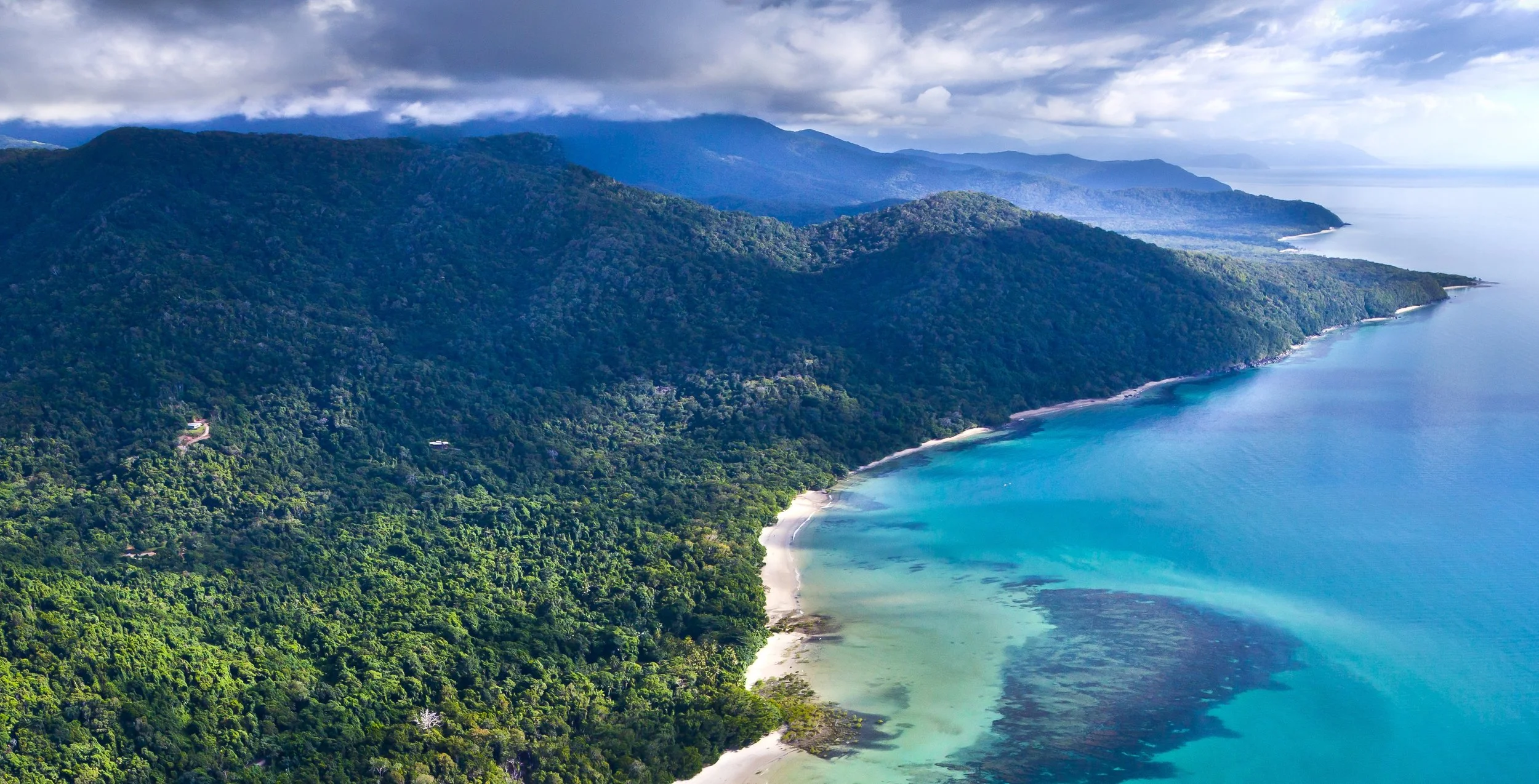
The Daintree
Where Ancient Rainforest Meets a Modern Mission.
A Living Fossil of the Planet
The Daintree Rainforest is thought to be over 180 million years old, making it the oldest continuously surviving tropical rainforest on Earth. It forms part of the Wet Tropics World Heritage Area, stretching from lowland jungle to misty mountain peaks, and sits just inland from the Great Barrier Reef. Nowhere else on the planet do two World Heritage-listed ecosystems exist side by side.
That alone makes this place unlike anywhere else.

The Daintree covers less than 0.1% of Australia, yet it is one of the most biologically rich places on Earth, a global biodiversity hotspot by any measure.
From over 130 years of sugarcane, cattle, and timber to the emerging green economy, this region has long sat at the intersection of nature and development. The tension between those forces is not new here. What is new is the opportunity. As global instability accelerates and demand grows for proven regenerative models, the Daintree offers Australia a chance to lead by example, demonstrating approaches that build rural resilience across Asia-Pacific and the Global South.
What is developed and tested here, in funding strategy, restoration practice, and risk management, can be replicated by others facing the same pressures on different landscapes.
Local Flora and Fauna
-
![]()
Mammals: 315+ species
-
![]()
Insects: 12,000+ species
-
![]()
Plants: 3,000+ species
-
![]()
Birds: 430+ species
-
![]()
Reptiles: 70+ species
-
![]()
Frogs: 30+ species
-
![]()
Fish: 30+ species
-
![]()
Mushrooms: 250,000+ species
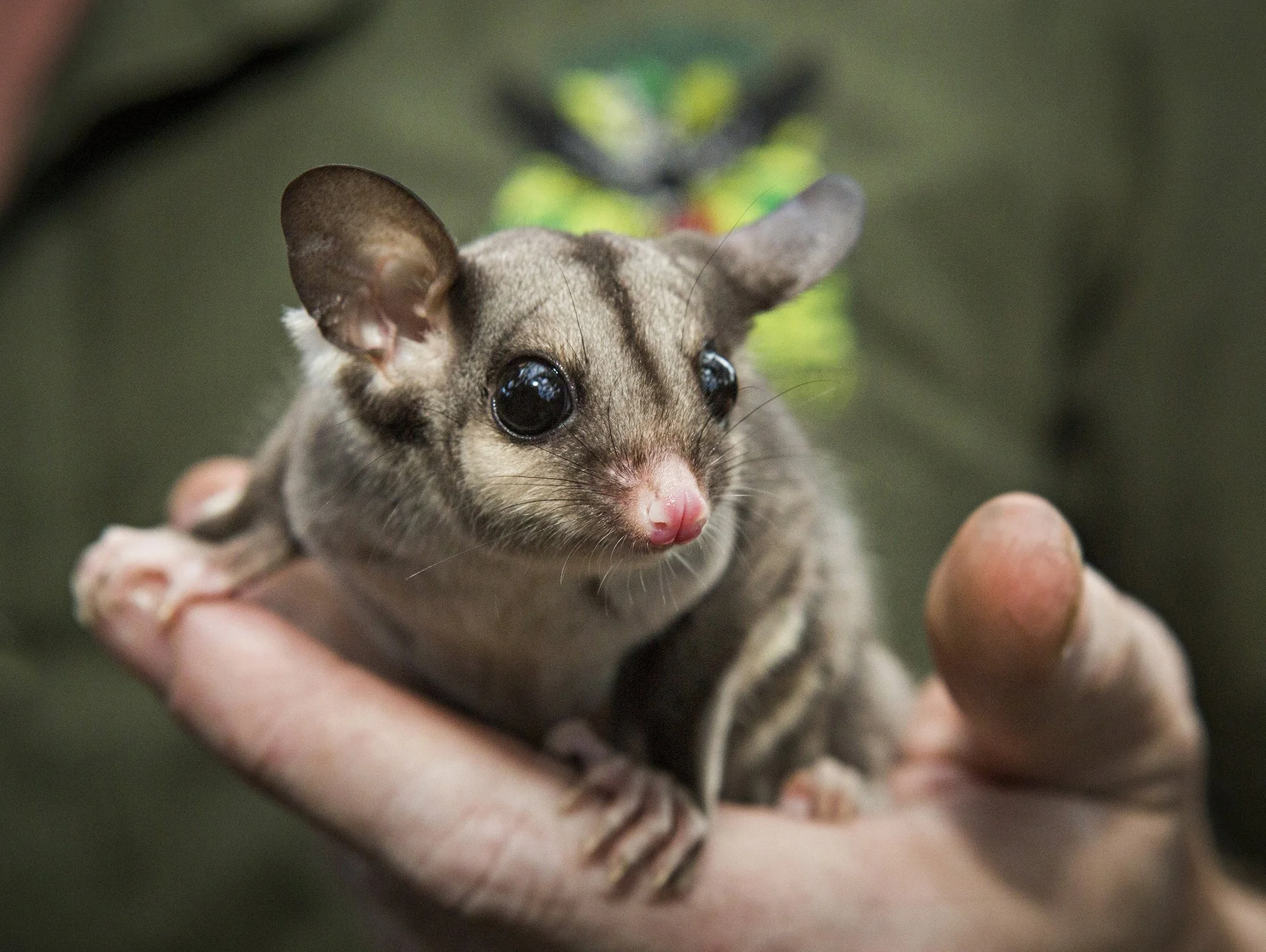
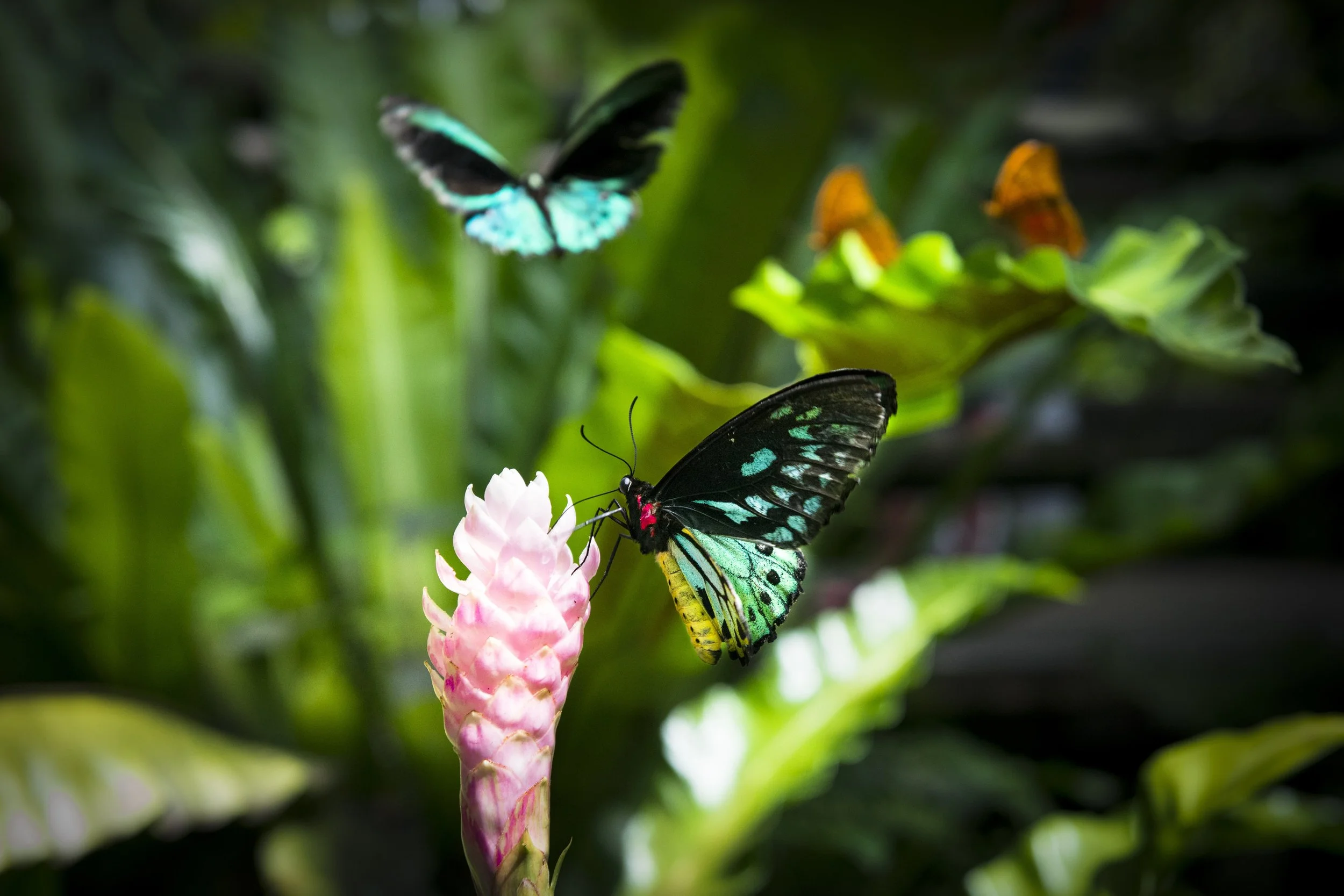
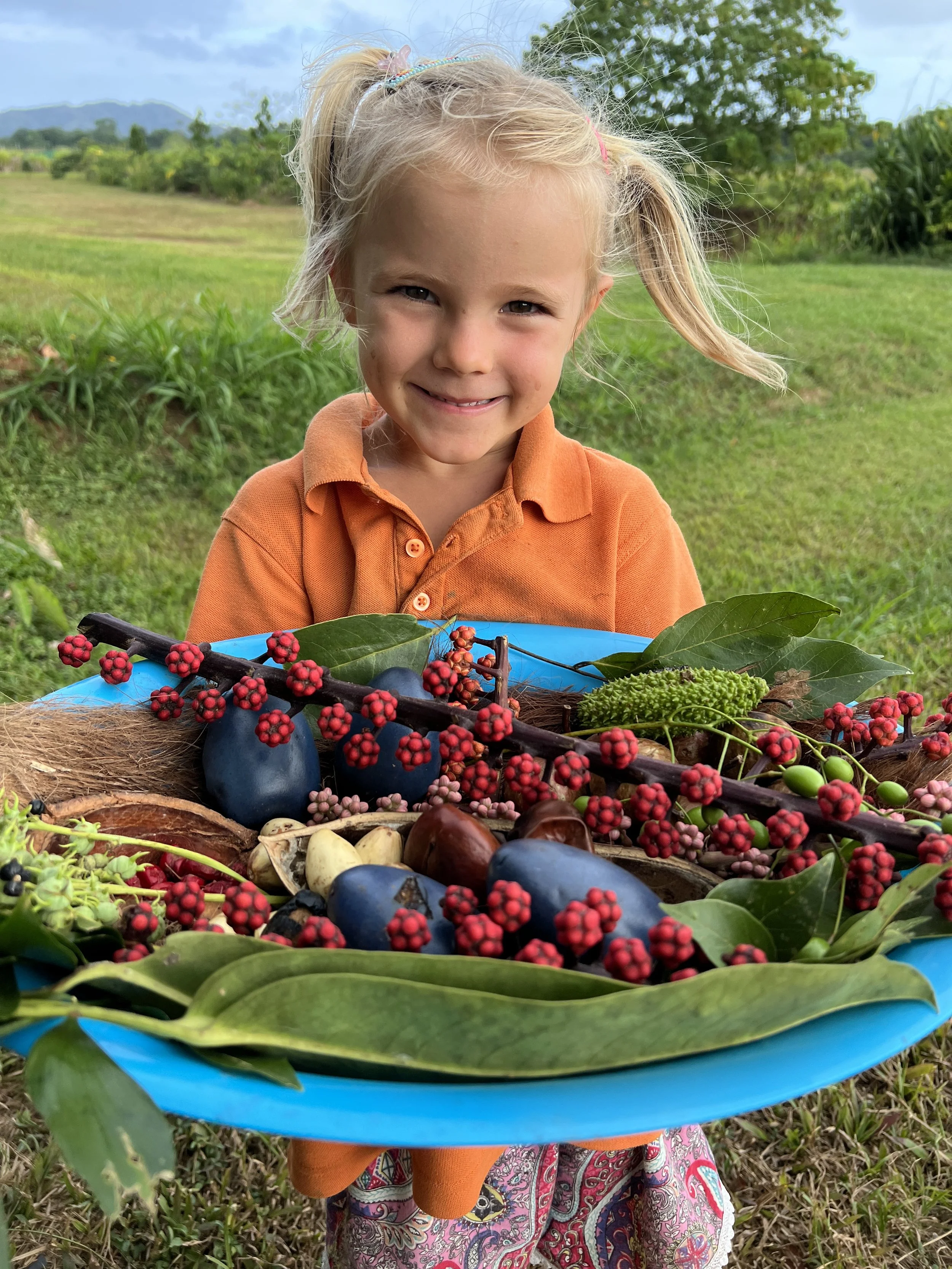
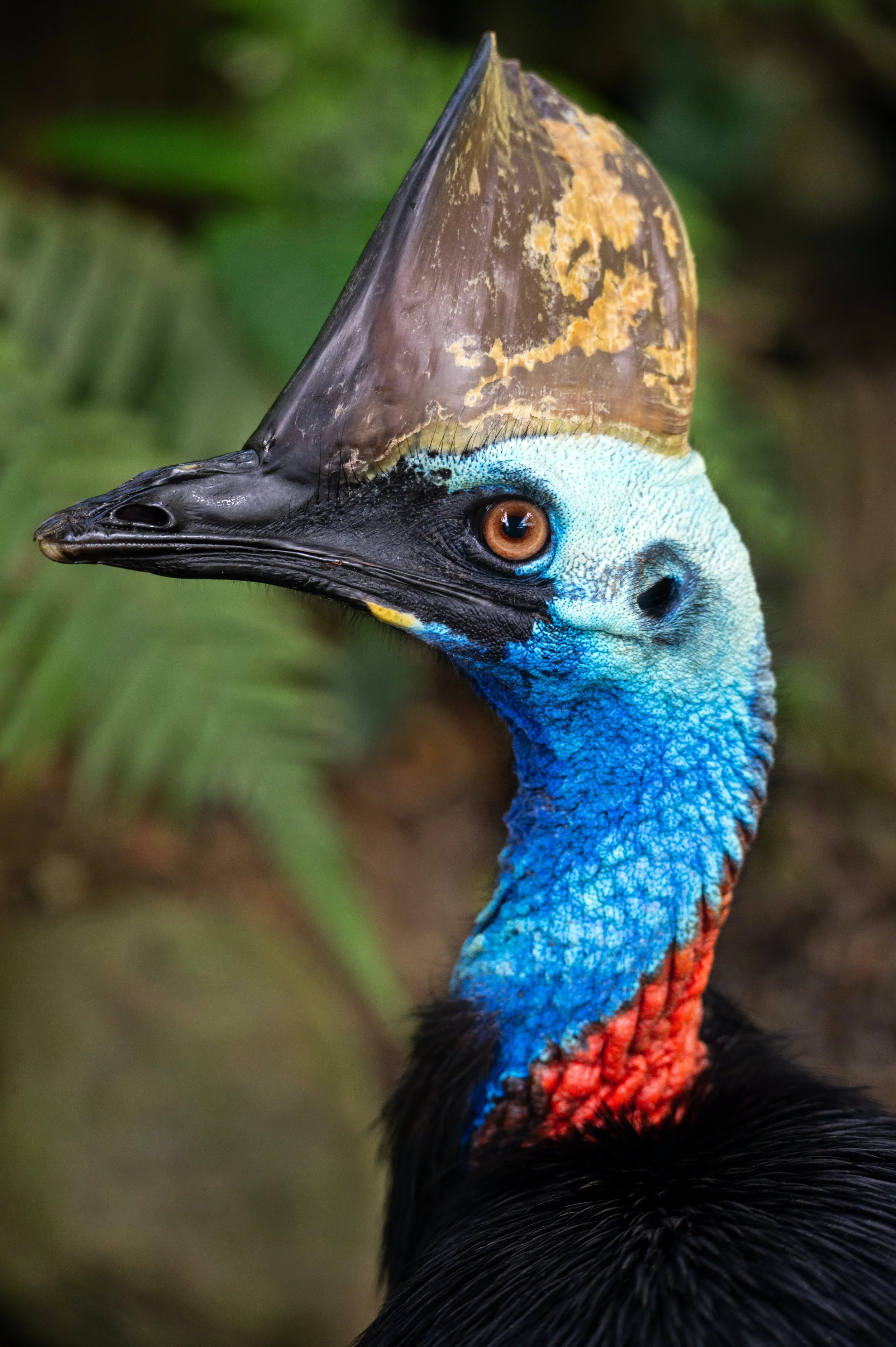

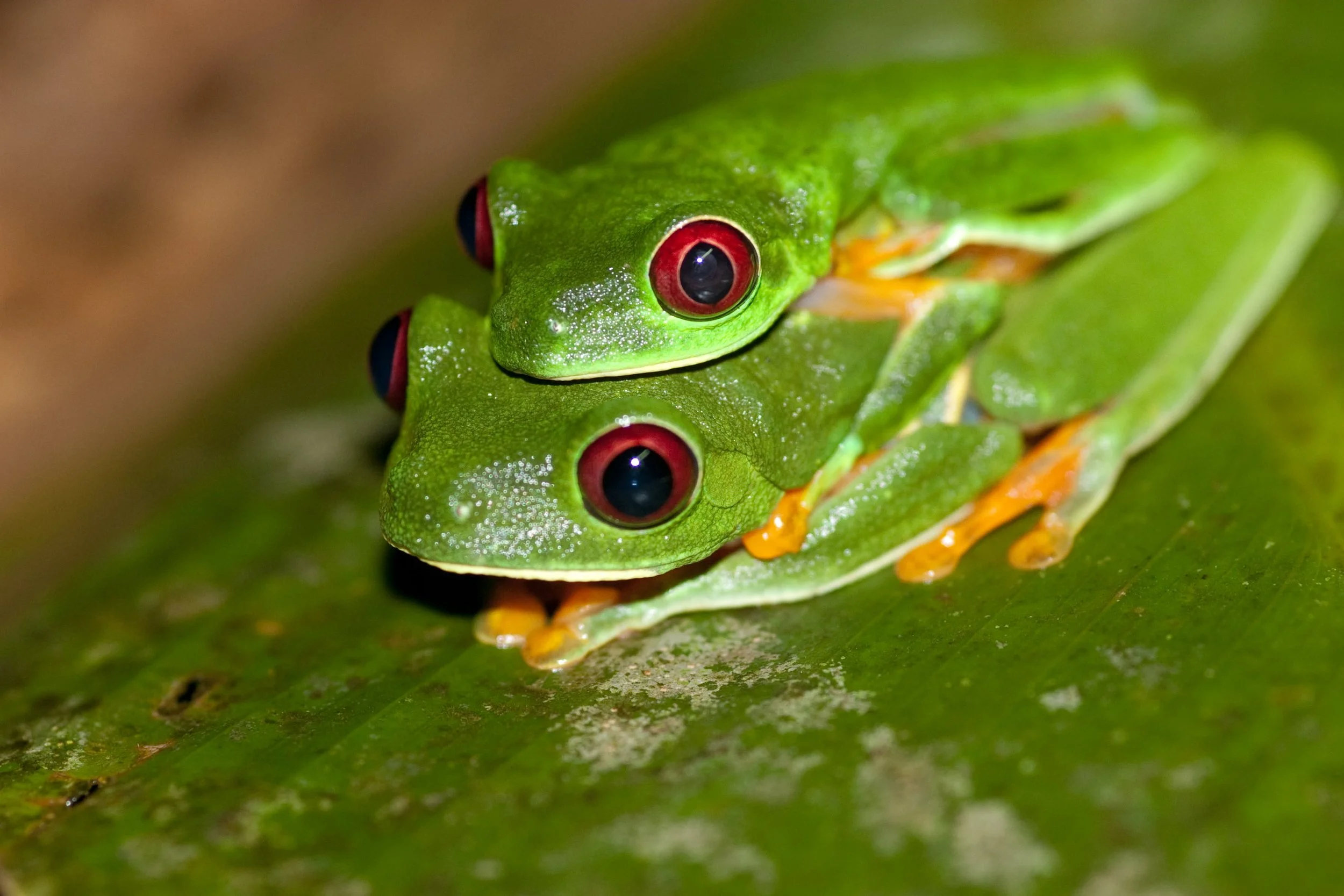
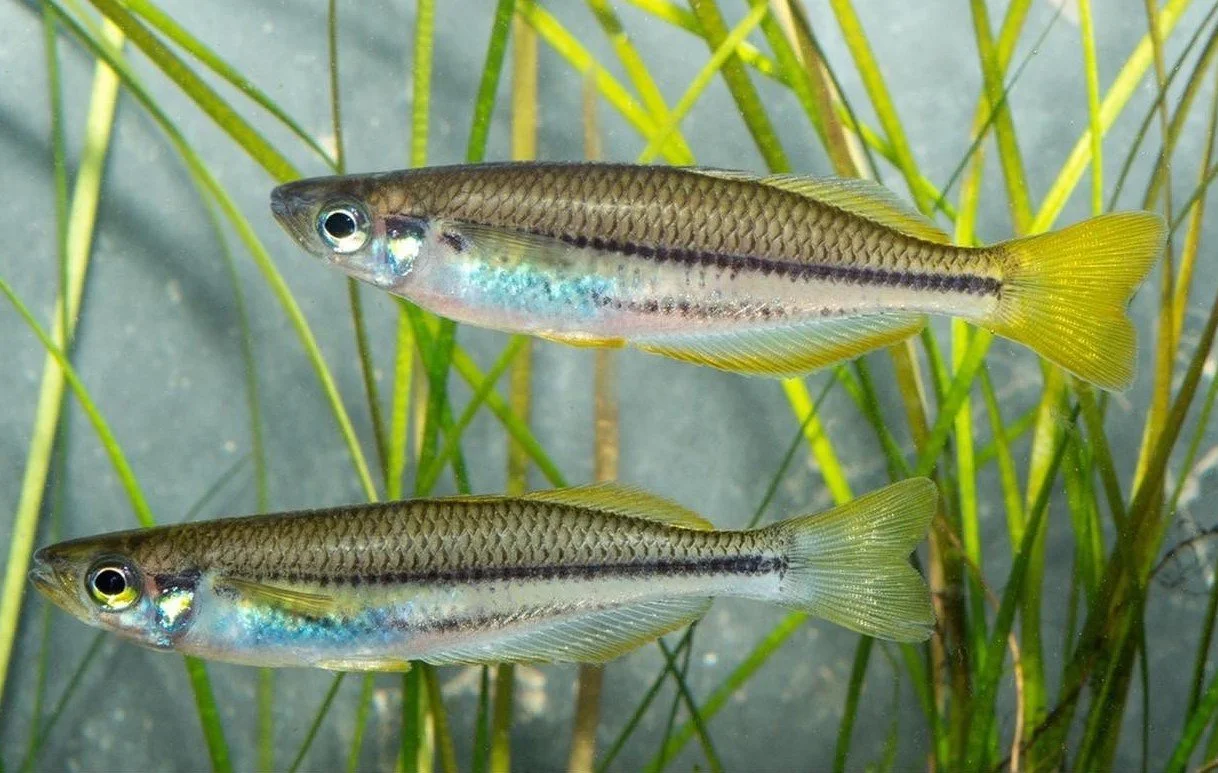
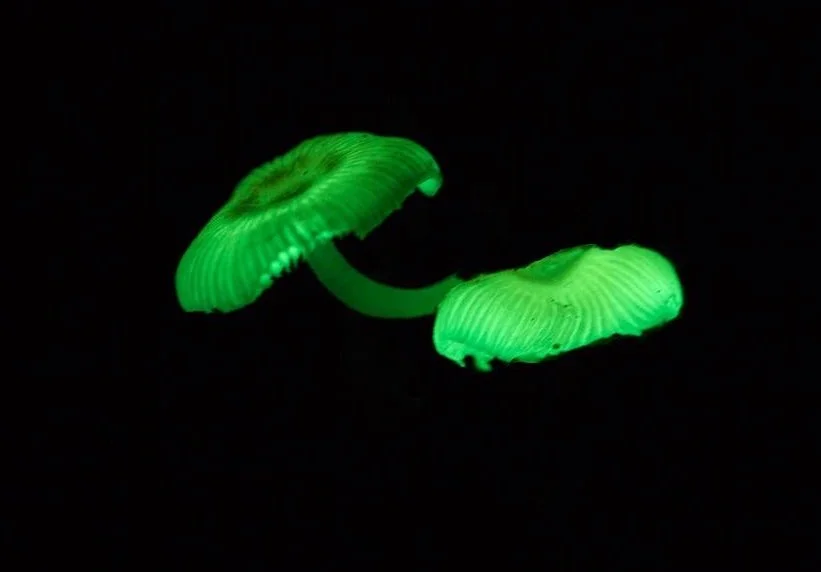
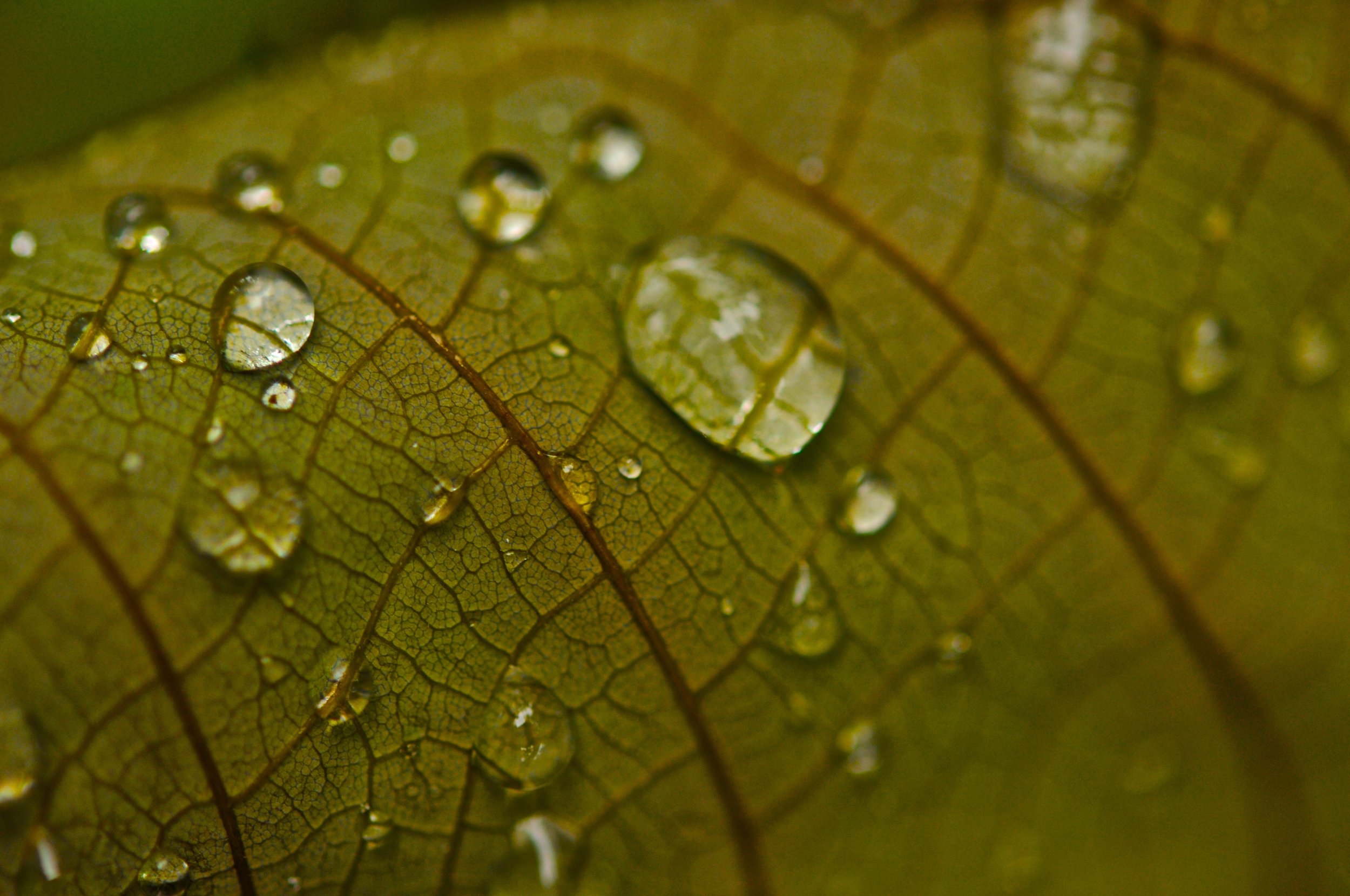
Scientists have been drawn to the Daintree for decades, and for good reason. It is one of the most complex and productive outdoor laboratories on Earth, where the density and age of life creates conditions that exist almost nowhere else.
Researchers working here are exploring bio-prospecting, from bush medicine to eDNA studies, with Traditional Owners and scientists increasingly working side by side to unlock knowledge that has been held in this landscape for millennia.
Soil health is another frontier: understanding the microbial and structural properties of intact rainforest soils is directly informing replanting methodology and agricultural practice across the broader tropics.
Biodiversity resilience is a third thread, examining how thousands of species coexist under closed canopy and what that can teach conservation science and the growing field of nature-based solutions.
This work is not confined to data sets and desktop analysis. It is being done on the ground, co-created with Traditional Owners, farmers, and regenerative land projects. The aim is practical: to diversify degraded land, restore ecological function, and demonstrate that protecting this ancient system is also sound long-term thinking.

Country, Culture, and Community
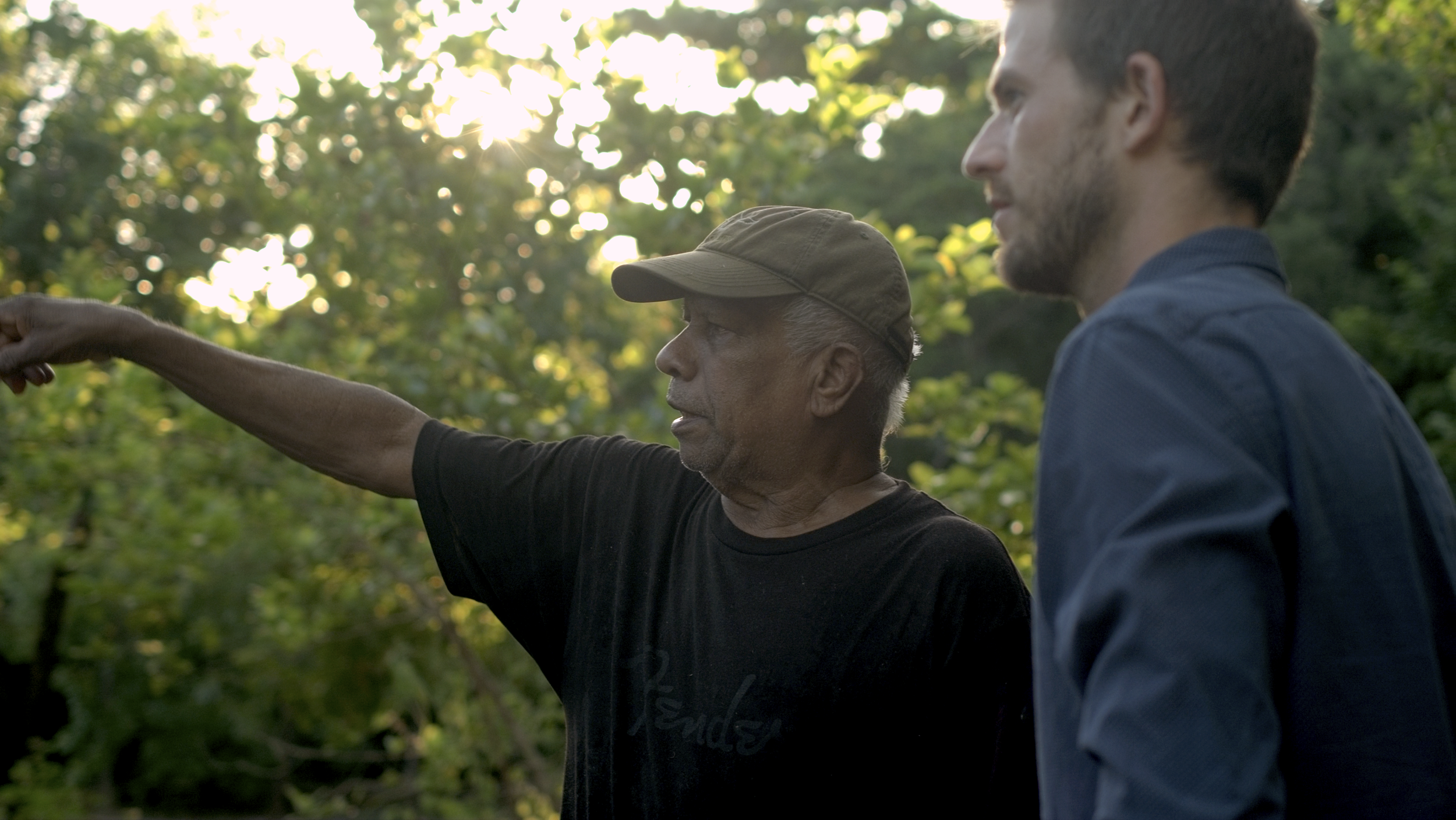
The Daintree has been home to the Eastern Kuku Yalanji people for over 30,000 years. Their connection to Country is deep, spiritual and practical, held strong through story, ceremony, and care for land. Elders continue to pass on this knowledge today, supported by groups like Jabalbina Yalanji Aboriginal Corporation, keeping culture alive and guiding how we care for this unique place.
In more recent time, others have made the Daintree home. Farmers, artists, and families who settled here from the 1960s onwards, many still living off-grid and holding a deep respect for the land. Their knowledge of the rainforest, built through years of hands-on living, is a vital part of the region's story.
Now is the time to walk together. By listening to Elders, learning from locals, and supporting the next generation, we can co-create a future that honours both old wisdom and new solutions.
Through shared work in ethnobotanical research, cultural teaching, and land care, the Daintree can offer lessons for the whole world.
Rainforest to Reef:
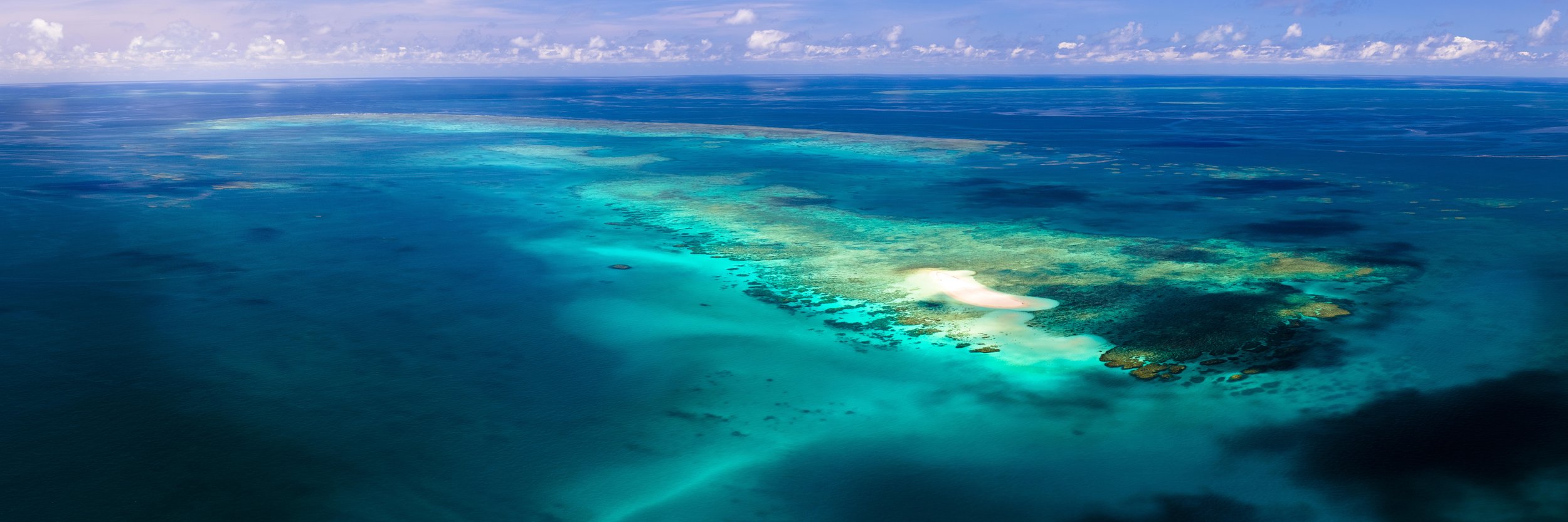
The Daintree and the Great Barrier Reef are part of the same system.
Rivers carry whatever the landscape holds, sediment, nutrients, runoff, from the forest floor to the coral. When rainforest is cleared or degraded, that load increases, smothering seagrass and stressing coral that has little tolerance for turbid water. Healthy forest intercepts that flow before it reaches the sea.
This is the only place on Earth where two World Heritage areas meet, an ancient rainforest and the largest coral reef system on the planet, connected by water and deeply dependent on each other. What happens on land here does not stay on land.
